
Does Stress Affect my Health and Weight Loss Efforts? The InBody 770, The Gold Standard In BIA Technology
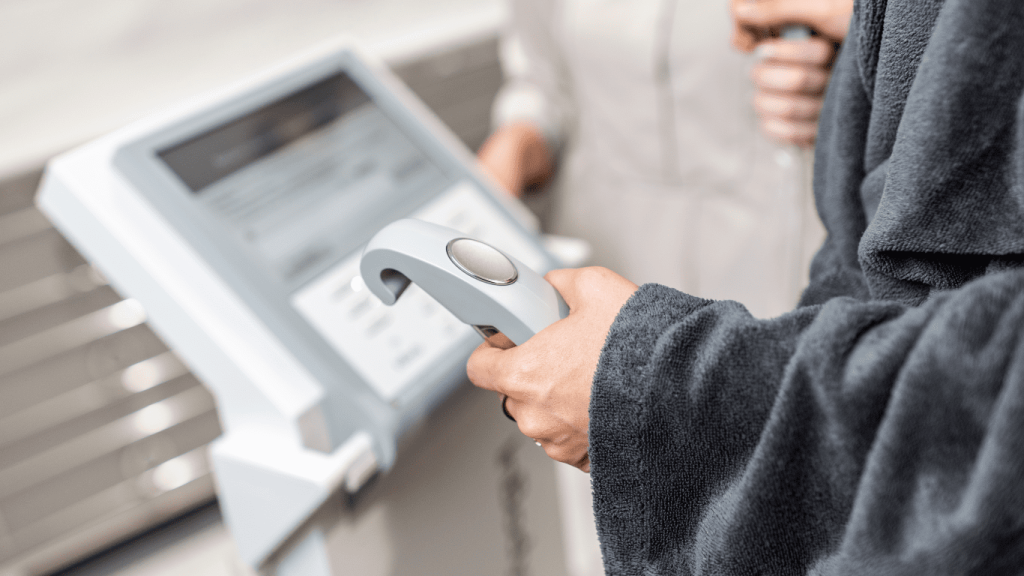
Gone are the days when the scale alone determined our health status, and the belief that diet and exercise were the sole factors influencing our well-being. Today, we understand that numerous elements, such as burnout, hormonal changes (related to pregnancy, aging, and stress), and various other factors, add complexity to the health puzzle, rendering one-size-fits-all diet plans obsolete. Research reveals that it’s not the specific diet but the consistent practice of healthy eating over time that leads to sustainable, long-term weight loss and maintenance. In our fast-paced, high-achieving world, where quick, unhealthy options are readily available, it’s all too easy to revert to old habits. Enter the InBody 770, a remarkable tool that we also provide to our remote clients through InBody home models. This device is a crucial component of our strategy to guide clients on their personalized journey toward weight loss and optimal health, ensuring that their efforts endure for years to come. The InBody 770 is trusted by prestigious research facilities and institutions, including the Mayo Clinic, Cleveland Clinic, Johns Hopkins, and 25 top NFL sports teams. What sets the InBody 770 apart is its ability to measure inflammation (ECW/TBW or bloating) in every part of the body, which is often the root cause of chronic diseases. It also assesses cellular metabolism (phase angle and ICW) and provides a distinct measurement of visceral fat surrounding vital organs—a critical indicator of conditions like diabetes and heart disease. This knowledge empowers us to understand how our daily choices impact our body’s functions and adapt in real time. Have you ever experienced: A sudden 1-3 lb change in your weight overnight, even without significant dietary changes? Fluctuations in cognitive performance, where one day you’re at peak efficiency and the next, you’re struggling to stay afloat? Feeling breathless when climbing stairs, despite regular exercise? Without comprehending the underlying causes of these external symptoms, it can seem like an endless cycle of frustration. At Solaris, we employ advanced body composition tools and testing, including assessments for leaky gut, microbiome dysbiosis, hormones, and more. This scientific approach simplifies the health and weight loss puzzle, enabling us to create a customized nutrition, supplement, and lifestyle plan, putting our clients back in control of their health. Monitoring and adapting these plans as we chart our clients’ progress over time is the key to not only moving closer to their weight loss goal and optimal health potential but also maintaining it for years to come. We often say that while everyone knows what to do, the challenge lies in consistently implementing these changes in real life. If you’re tired of feeling stuck or puzzled by your test results and need guidance to move forward, please reach out to us for a complimentary 15-minute consultation. We’re here to assist you on your journey to better health!
Healthy Chocolate Pudding

Why Can’t I Lose Weight?

Weight gain and weight loss resistance are very common symptoms among people with chronic health disorders. Contrary to popular belief, an inability to lose weight or keep it off is not a sign of a character flaw but instead flaws in your metabolic, immune, or neurological health. In our culture, fat shaming, unfortunately, finds acceptance, especially in alternative health circles and when directed toward women. However, it’s important to recognize that individuals who are overweight or obese may actually follow some of the healthiest diets and lifestyle practices you’ll come across. Their commitment to maintaining their weight necessitates mindful eating choices, as straying from a balanced routine could lead to rapid weight gain. Instead of beating yourself up if you can’t lose the weight or experiencing unexplained weight gain, it’s worth considering if any of the following underlying causes could be influencing your situation. Here are nine potential reasons why weight loss may be challenging, and none of them have anything to do with laziness or lack of discipline: Nine potential reasons why weight loss may be challenging 1) You are a veteran lifelong dieter. The multi-billion-dollar diet industry coupled with unrealistic cultural body image standards have turned low-calorie dieting into a way of life. That works great in your youth, but as you age your metabolism fatigues from constant famines. The human body responds to famines by progressively lowering metabolism and increasing fat storage hormones. As a result, each low-calorie diet can make you a little bit fatter than the last one once you resume normal caloric intake. This explains why diets have such low long-term success. This phenomenon was most poignantly illustrated in a study of participants from the The Biggest Loser reality TV show. Six years after participating in the show, researchers found they were burning 800 fewer calories per day and the majority of them returned to their pre-show weight and had to under eat by 400-800 calories a day just to not gain weight. 2) Your hunger hormones are out of whack. Conversely, if you routinely eat ample sugar and desserts and processed carbohydrates (breads, pastas, white rice, etc.), you likely have leptin resistance and skewed hunger hormone function that causes constant food cravings and hunger. Minimizing or eliminating processed carbohydrates and exercising regularly helps improve leptin sensitivity so your hunger cues and fat burning returns to normal. 3) Your thyroid isn’t working well. One of the most common causes of weight gain and weight loss resistance is hypothyroidism, or low thyroid activity. And the most common cause of this is Hashimoto’s, an autoimmune disease that attacks and damages the thyroid gland. This is why many people do not lose weight even after they start taking thyroid medication. It’s essential to address the underlying causes of Hashimoto’s hypothyroidism to improve your health and lose weight. 4) You are chronically inflamed. Chronic inflammation skews hormone function, metabolism, and gut health in a way that can promote fat storage and prevent fat burning. Many people enjoy easy weight loss by following an anti-inflammatory diet and lifestyle. Nutrient-dense foods void of inflammatory triggers also manage pain, gut problems, autoimmune diseases, high blood pressure, depression, anxiety, and other health issues. 5) You’ve had a brain injury or have compromised brain function Many sufferers of concussions and brain injuries find they suddenly gain weight after their injury and are not able to lose it. Brain injuries cause inflammation in the brain, which can not only impact brain function, but also disrupt metabolic, hormone, and immune in a way that promotes weight gain and inhibits fat burning. Brain injury victims also often struggle with fatigue, exercise intolerance, depression, and other symptoms interfering with appropriate fat burning and storage. 6) You have mold illness. Mold illness is increasingly being identified as an underlying cause of many health disorders and symptoms, including weight gain and weight loss resistance. Almost a quarter of the US population is susceptible to mold illness. Toxicity from mycotoxins, the byproducts of molds, can seriously impact metabolic, immune, and neurological health leading to unexplained weight gain and weight loss resistance. This refers not just to the dreaded black mold but also the more commonly found strains of mold caused by leaks and water damage in buildings. 7) You were born with an obese gut microbiome. Research into the gut microbiome, our trillions of gut bacteria, show they impact virtually every aspect of our health, including whether we are more likely to be thin or heavy. Studies on both mice and humans have shown that obese subjects inoculated with the gut bacteria of thin subjects went on to quickly and easily lose weight. Factors that impact your gut microbiome “signature” in a way that promotes obesity include being delivered via C-section, being formula fed versus breastfed, and frequent antibiotic use in childhood. 8) You are a victim of childhood sexual abuse or sexual assault or have PTSD. After more than two decades of trying to understand why most obese people regained the weight they lost, an obesity researcher made an accidental discovery the majority of his study subjects had been sexually abused as children or sexually assaulted right before the time their weight gain began. This can drive complex PTSD and the genesis of food addiction to cope. Likewise, researchers have found a correlation between food addiction and PTSD in women. 9) You have a brain-based disorder that promotes food addiction and an eating disorder. For many people with weight issues, food becomes the source of torturous addictive behaviors that can then morph into eating disorders. It is increasingly being found that addictions and eating disorders are linked to brain-based disorders such as ADHD. The skewed neurological function triggers the obsessive thought patterns that lay the foundation for addictive eating and eating disorders. Look for the underlying cause of weight gain and weight loss resistance to develop self-compassion.
Transforming Your Body with a Body Composition Machine

Have you ever stepped on the scale and gained three pounds and not know why? Or weigh the same but had trouble zipping up your jeans? Chasing a number on the scale can be a lesson in frustration, this is why knowing your body composition and what you are made up of can be an invaluable tool that can put you back in charge of your health and weight loss goals. Unlock Your Body’s Potential By Using a Body Composition Machine If you are looking to get into shape and reach your fitness goals, the information from a body composition machine is the key and will help take your nutrition and workout regimes to the next level. Knowing your body composition can be incredibly valuable when it comes to creating an effective and personalized fitness routine and diet plan. With the help of a body composition machine, you can get a detailed analysis of your body’s structure and composition. In this article, we will look at why knowing your body composition is critical and how a body composition machine will help you transform your body for good. What is a Body Composition Machine? When it comes to our health, knowledge is power. That’s why you should understand exactly what a body composition machine can do and how it works. A body composition machine is an incredible tool that can measure your body fat percentage, lean mass, muscle mass, and more! Let’s break down what a body composition machine is and how it works. Definition of Body Composition Before we dive into the specifics of body composition machines, let’s start with the basics. The term body composition refers to the ratio of fat to lean tissue in your body. In other words, it measures how much of your weight is made up of fat versus lean muscle mass. This measurement can be an important indicator for overall health and fitness levels because having too much or too little fat can increase your risk for certain conditions like heart disease, high blood sugar or metabolic syndrome. Types of Body Composition Machines There are three main types of body composition machines available on the market today ADP (Air Displacement Plethysmography) machines, BIA (Bioelectrical Impedance Analysis) machines, and DEXA (Dual Energy X-Ray Absorptiometry) machines. High end BIA machines and ADP machines both can have 95-98% accuracy vs the DEXA machine. ADP Machines measure body volume by measuring how much air is displaced when a user steps inside an airtight chamber full of water (known as the Bod Pod (R)). The appointment times tend to be long for the user to change and perform the test. BIA machines use thousands of electrical signals to measure your body’s resistance to current passing through your cells. Some of these machines are used in fitness centers and gyms because they are relatively easy to set up and use. More accurate and sophisticated BIA machines are found in hospitals like the Mayo Clinic, Cleveland Clinic, professional sports team facilities, and high end medical and nutrition clinics. The DEXA machines use low doses of radiation to measure the amount of fat in your body by scanning different parts of your anatomy using X-rays. Because they require more setup time, these are usually found in hospitals where trained technicians operate them safely. How Body Composition Machines Work Now that you know what types of machines are available, let’s talk about how they work. Both BIA and DEXA machines use sophisticated methods for measuring your body’s fat content as well as muscle mass, bone density, and more. BIA machines work by sending small electrical signals through your cells which then measure how quickly that signal moves through them; since fat has higher resistance than muscle tissue does, it takes longer for the signal to move through fatty cells than those that contain mostly lean tissue. DEXA machines use X-ray beams to scan different areas to obtain measurements of where all that extra weight is coming from. Understanding Your Body Composition What Are the Differences Between Body Weight and Body Composition? Scale weight and body composition are two different measurements related to a person’s physical health and fitness. Scale weight refers to the total weight of a person’s body, which includes their bones, muscles, organs, and fat. It is a simple measurement that can be easily obtained using a bathroom scale. However, scale weight alone is not an accurate measure of someone’s overall health and ideal physique. It does not provide information about the distribution of body mass, and it cannot distinguish between different types of body tissue, such as fat, muscle, and water. While scale weight is a simple and easily obtainable measurement, it does not provide a complete picture of a person’s physical health and fitness. Body composition, on the other hand, provides a more accurate assessment of a person’s overall health and when interpreted correctly by a trained healthcare practitioner, can be used to create targeted diet and exercise plans to improve their physical fitness, reduce their risk of health problems and optimize their weight loss goals. Why is Body Composition Important to Obtain Optimal Health and Weight Loss? Measuring body composition is important because it provides a more accurate picture of a person’s overall health and fitness. For example, a person with a low-scale weight may appear healthy, but if they have a high percentage of body fat, they may be at risk for health problems such as heart disease, diabetes, inflammation, and other chronic conditions. In contrast, a person with a high scale weight who has a high percentage of lean tissue, and a low percentage of body fat may be in excellent physical condition. What Are Key Metrics Measured By Body Composition Machines? Body composition machines measure key metrics including BMI (Body Mass Index) (or Body Mass Index), percent of body fat, visceral fat rating (which measures belly fat), metabolic age (an estimate of how old or young your metabolism is functioning), and lean muscle mass
Morning Glory Mini Muffins

Healthy Ice Cream

Does Stress Affect my Health and Weight Loss Efforts? The InBody 770, The Gold Standard In BIA Technology Old
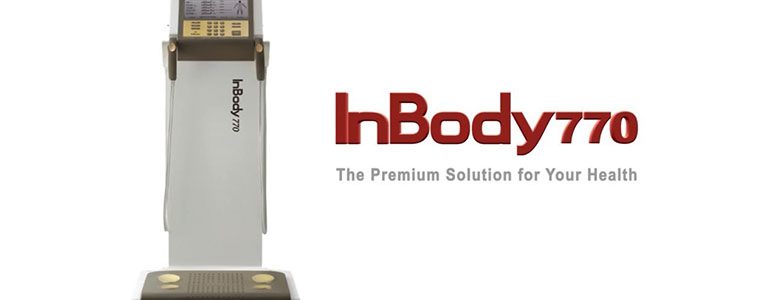
The answer is yes. At Solaris we look at stress from 4 areas of life, physical stress, mental emotional stress, chemical stress and environmental stress. Not enough quality sleep, overwork, anxiousness, eating food or drink late at night and too much phone usage are just a few examples of how some of our everyday lifestyle choices and habits may contribute to these 4 areas of stress. A typical day like this, if it persists over time, can wreak havoc on our bodies, weight loss efforts, performance and productivity and the quality of our relationships. Long gone are the days where the scale dictates our health and that diet and exercise alone are the only levers we have to get healthy. Burn out, hormonal changes (pregnancy, age related man-opause and menopause, cortisol) and stress among many other factors make the diet puzzle more complex and one-hit wonder diet plans obsolete. Studies show that it is not the actual diet but it is the consistency of eating healthy over time that leads to long term sustainable weight loss and maintenance. In this fast paced, high achieving world we live in and the accessibility of the cheap and quick unhealthy choices at our fingertips it can be too easy to fall back into old habits. The InBody 770 or the InBody home models that we use for our remote clients, are just one of the many tools we use to test and map our clients personalized health journey towards optimum health and maintain all the efforts for years to come. It is used by top research facilities and institutions like the Mayo Clinic, Cleveland Clinic, Johns Hopkins and 25 of the top NFL sports teams. The InBody 770 is the only body composition scan that measures inflammation, cellular metabolism, and visceral fat linked to chronic disease — providing the clearest picture of how your body responds to stress, diet, and lifestyle.. The key is knowing how the choices in our daily lives directly affect our bodies ability to function and in real time being able to adapt and see the Have you ever noticed that: Your scale weight can change from 1-3 lbs overnight when you didn’t eat anything that may warrant that kind of change? Or one day your mind is firing at all levels and you’re getting things done at record pace and the next day things are going so slow it feels like you are walking through water? Or you are working out yet falling short of breath when you are running upstairs? Without understanding the root cause of these external symptoms it can feel like you are on a perpetual hamster wheel. At Solaris by using advanced body composition tools and testing (like leaky gut, microbiome dysbiosis, hormones and more) the health and diet puzzle becomes easy to understand and is used to chart out a course of action towards optimal health. Educating our clients to understand what is going on, based on science and data, why it is happening, and how to fix it as we develop their personalized nutrition, supplement and lifestyle plans put them back in the driver’s seat of their health. Charting our clients progress over time and adjusting the plans based on their own lifestyle challenges is the key to not only progressing towards their optimum health potential but also maintaining it for years ahead. I always like to say, everyone knows what to do, but it is the doing it repeatedly over time, in real life, that is the challenge. When you’re ready to stop spinning your wheels or don’t understand the test results you are getting and how to use them to propel you forward reach out to us. We are happy to help!
Scale Weight is a Lie : Top 5 Reasons Why Body Composition is Important When Trying to Lose weight or Bulk Up

Our body weight is the ‘sum of our parts’; muscle, fat, dry bone/ligaments, water etc. It goes without saying if you go down in weight on the scale and you lose muscle, not fat, you may think you’re making progress however what is really happening is your metabolism is shutting down, meaning your bodies ability to burn fat is decreasing. Leaving you wondering why the weight came back on so quickly! You may be asking yourself, ” I’ve tried many weight loss programs before but they never last!” There are many reasons for this as you can imagine. What type of weight was lost as a result of your nutrition plan (water, muscle, fat) , where it was lost (limbs, abdominal cavity), hormone imbalances, stresses in life causing old lifestyle habits to return, sleep cycles to name a few. Here we’ll focus on nutrition and its effect on body composition. 1. Is it true that to lose weight, I have to eat fewer calories than my body uses? Not necessarily. Did you know that participants who attended Weight Watchers for 12 weeks lost an average of 5 percent of their bodyweight, or about nine pounds. However, Steve Ball, assistant professor of exercise physiology in the MU College of Human Environmental Sciences, found that a large percentage of the lost weight was lean tissue (muscle) and not fat. Participants body fat percentage did not improve at all because they lost a much higher percentage than expected of lean tissue (muscle), said Ball, MU Extension state fitness specialist. It is advantageous to keep lean tissue because it is correlated with higher metabolism. Losing lean tissue often slows metabolism. What your body is made of is more important than what you weigh. 2. Is it true that I grow muscle when I work out? Technically no. You actually shred or tear down your muscles during a good workout. Your muscle grows back stronger, firmer and bigger with the quality food you eat (lean protein and complex carbohydrates) post workout and while your resting and repairing during a good night’s sleep. Your body releases its biggest surge of growth hormone during REM sleep. If you have ample amounts of protein in your system, you’ll take full advantage of the spike and make greater muscle gains. Also, your muscles will soak up protein through the night, so you won’t go into hunger mode (where your body can breakdown muscle) as quickly.The more muscle mass you have the higher your basal metabolic rate (BMR), which is your ability to burn calories at rest. 3. I have a scale at home that tells me my fat % however sometimes I get on the scale and my weight can go up 1-3 lbs in a day when I’m doing all the right things, why!? While they are a relatively cheap option, home scales that measure fat % are notoriously unreliable. Take a huge drink of water and watch your percentage change by up to 10 percent. 4. So how do I find out if what I am doing is helping me lose fat and maintain or grow muscle? At Solaris Whole Health we use BIA or bioelectrical impedance analysis. BIA is a method of assessing your body composition the measurement of body fat in relation to lean body mass or muscle. It is integral part of our 60 point nutritional exam and health assessment. BIA fosters early detection of an imbalance in your body composition, which allows for earlier intervention and prevention. We measure client’s progress at each session to optimize their weight loss efforts and overall energy and vitality. Improving your BIA measurement, or maintaining a healthy BIA measurement, can also help keep your body functioning properly for healthy aging and reduced risk to illness. With your BIA results, we recommend personalized dietary plans, nutritional supplements, and exercise to help you support optimal health and well being for a lifetime. 5. How accurate are BIA body composition measurements? Over 100 independent studies, conducted by researchers over the past 20 years,have demonstrated that bioelectrical impedance analysis can provide an accurate and clinically useful assessment of body composition. Since 2007, our clients at SWH have had tremendous success in weight loss and increased metabolism using our RJL BIA technology, Inbody 770 and Inbody at home models, metabolic testing and functional nutrition plans. The InBody 770, the newest gold standard in BIA technology at our nutrition studio in Bernardsville, NJ. The In Body 770 is used at the Mayo and Cleveland Clinics and University’s around the world. This commitment to our clients optimum health will take our personalized nutrition and lifestyle programs to the next level! BIA results reveal shifts in pure fat, lean tissue,water retention/bloating and cellular integrity. Additionally visceral fat or active fat will be able to be measured. Visceral fat is body fat that is stored within the abdominal cavity and is therefore stored around a number of important internal organs such as the heart, liver, pancreas and intestines. Visceral fat is sometimes referred to as active fat because research has shown that this type off at plays a distinctive and potentially dangerous role diabetes, heart disease and how our hormones function. Hormones play a key role in finding the right nutrition plan and needs for our clients of all ages. If you have had a BIA or Inbody test done and would like help interpreting the results and what to do to change them, or if weight loss has eluded you, give us call to get a Jumpstart on your health today!
The Benefits of Journaling

We know what you’re thinking. Oh, great. Now, in addition to eating healthy, I also have to keep a journal! Does this sound like something you’d say? If so, we get it! Taking time out of your busy day to keep a journal seems less than ideal, but the benefits include reducing negative and repetitive thoughts to unlock your best self. Let us explain the benefits of journaling and how to use motivational tools and positive talk to stop self-sabotaging your health. What is Journaling? Journaling refers to writing down or recording your thoughts, feelings, and daily activities in a book or journal. It doesn’t have to be overly complicated – you can write as much or as little as you would like – and there is no right or wrong way to do it. There are so many incredible benefits of journaling, and best of all – it’s free! All you need is paper and a pen. You can practice journaling anywhere – in your car (when you aren’t driving, of course, at your work desk, or at home. Health Benefits of Journaling Do you ever catch yourself thinking negatively or having repetitive thoughts throughout the day? Chances are, you probably have these thoughts even if you don’t realize it. In fact, research from Deepak Chopra, M.D. found that the average person has 60,000 thoughts per day “ 95 percent of these thoughts are repetitive, meaning that we think the same (often negative) thoughts over and over. The good news is that journaling has mental and physical health benefits. For example, did you know that people who keep a journal lose twice as much weight as those who did not? It’s true! According to one study, positive affect journaling (PAJ) was associated with improvements in mental distress and well-being. It was also linked to reductions in anxiety and depression after one month. Another study found that expressive writing leads to long-term improvements in health and lowers stress levels. So, what does this research mean? Well, have you ever noticed how your mood and thoughts influence your actions and physical health? Negative thoughts lead to increased cortisol levels, which negatively impacts our waistline, insulin levels, ability to sleep, and inflammation levels – preventing you from feeling your best mentally AND physically. Journaling helps improve your mood and control your symptoms by helping you prioritize your fears, concerns, and problems. It also provides a safe and personal space for you to identify negative thoughts, practice positive self-talk, and reduce cortisol levels. Never underestimate the power of having an outlet for your thoughts! How To Use Journaling To Improve Your Health When you write down your thoughts and feelings throughout the day, it makes it easier to identify negative, repetitive, and self-sabotaging thoughts. For example, do you feel completely stressed, overwhelmed, anxious and overwhelmed by all of your daily tasks? If so, write that down – and below that, write down one to three solutions. You might not have time to write in your journal numerous times per day, but try to write your thoughts down at least once per day. Include what you did that day, what you ate and drank, and how you felt. At the end of the week, look over your journal and try to identify negative patterns. Did you feel overly stressed on days when you didn’t stand up for yourself or took on too much? If so, that’s your cue to make changes. Positive Affirmations To Use When Journaling How often do you speak nicely to yourself during the day? Probably never, right? For most women, we are our own worst critics. We see ourselves in such a poor light, always thinking about what else we could do and never being happy with ourselves where we are at. Journaling is a great time to practice using positive affirmations and speaking to yourself in a positive light. Instead of feeling down on yourself because you didn’t meet a goal, use this time to reassure yourself that it will happen. Here are some things you can practice writing down in your journal: I have forgiven the mistakes I made in the past and those who have hurt me. I no longer allow them to control my thoughts or actions. I am better today than I was yesterday, and I will be better tomorrow than I was today. I did my best today and I will do my best again tomorrow. I love my body because it’s healthy and capable. I am in control of my own happiness, and today – I choose to be happy and spread kindness. I am patient, loved, loving, and sincere. Those who come in contact with me find me caring, honest, and trustworthy. Final Thoughts Journaling has proven health benefits – both mentally and physically. It provides an opportunity to identify negative self talk and practice positive talk. Be sure to write in your journal every day. In addition to writing down your thoughts and feelings, practice writing positive affirmations that can help boost your self-love and happiness. Journaling is also a great way to reduce stress and help you feel in control again. Try writing at night before bed to get all your thoughts out on paper to help you sleep better!
Non-Toxic Skin Care Tips to Support Your Detox

So, youre detoxing your body from toxins with a cleanse, but did you know that toxins can also be found in your skincare products and cosmetics? Thats right – despite your hard efforts to purge toxins from the inside out, the skin care products that you put on your skin may be working against you. In this guide, we’ll show you how to spot toxic skin care ingredients and what they may be doing to your health. We’ll also show you how to find safer products to use on your skin. What Skin Care Ingredients Are Toxic? It’s easy to forget that our skin is an organ just like our lungs, liver, and stomach. However, skin has a very important job because it acts as a protective barrier, keeping out harmful elements from our external environment so they don’t come in contact with what’s inside our bodies. The problem is that skin also absorbs what it comes in contact with. So, if you’re applying toxic products to your skin (makeup, lotions, body soap, etc.), then these ingredients can make their way into your bloodstream where they create more toxins for your liver to try to filter out. In fact, our skin can absorb 60 percent of what you apply to it – and more sensitive areas of our body – like our face and armpits – can absorb up to six times this amount. Skin care products that contain toxic ingredients can act as endocrine disruptors, causing endocrine and reproductive problems. Some toxic skin care products are even linked to cancer. In addition to being toxic and human carconegonics, many synthetic skin care ingredients can be highly inflammatory, leading to skin problems when you use them topically, such as dryness, psoriasis, eczema, rashes, inflammation, and more. Your immune system responds to these toxins just like it responds to any potential threat in your body. Don’t think that toxins in your skin care products don’t do harm just because you’re not ingesting them! How To Find Non-Toxic Skin Care Products You can spot toxic ingredients in your skin care products by looking at the ingredients label, just like you would check the label of the food you eat for refined sugars and processed grains. Then look up your product’s ingredients on the EWG Skin Deep Database, which is a great resource that ranks how safe your skin care ingredients are based on their toxicity levels. The EWG uses a rating system of 1 to 10 to determine the toxicity of an ingredient. Ratings of 0 or 1 are considered clean, safe, and non-toxic while higher ratings are more toxic. It’s super easy to use the EWG database. All you have to do is type in the ingredient in question and it will provide you with a detailed list of information and potential dangers. The following is a list of toxic skin care ingredients to avoid due to toxicity, based on the EWG: — Phthalates — Parabens — Sodium lauryl sulfate — Propylene glycol — Coal tar dyes — DEA — Dibutyl phthalate — Preservatives that release formaldehyde, such as Hydroxymethylglycinate, DMDM hydantoin, Imidazolidinyl urea, Diazolidinyl urea, Bronopol (2-bromo-2-nitropropane-1,3-diol), 5-Bromo-5-nitro-1,3-dioxane, and Quaternium-15 — Unidentified fragrances — PEG compounds — BHT and BHA — Silicones — Sulfates — Triclosan Another thing you’ll want to watch out for is products that are labeled as natural, organic and clean. Despite appearing to be healthier for you, these products are not regulated by any standard industry, meaning that they may still contain ingredients that are toxic for skin. Try to look for products that contain plant-derived ingredients, which are less likely to cause irritation and increase your exposure to toxins. Examples include essential oils and vitamins derived from whole fruits and superfoods. You can also make your own non-toxic skin care ingredients at home using anti-microbial items you have in your own pantry, such as essential oils, olive or coconut oil, sea salt, and herbs. This can be a great way to reduce your exposure to skin care toxins while also saving money by using items that you already have at home! Final Thoughts During a detox, we usually focus on what goes in our bodies. But what goes on your body is just as important because your skin can absorb toxins through your skin care products.