
Stress Belly: How to Finally Lose the Cortisol Belly Fat That Diet & Exercise Won’t Touch (and Why the InBody 770 Is Your Missing Link)

“I eat healthy, I work out, I do everything ‘right’ — so why won’t my belly fat budge?” If this sounds like you, you’re not alone. Many women, especially between ages 35–55, struggle with what’s often called a stress belly — stubborn abdominal fat that clings despite your best efforts. It’s frustrating, confusing, and sometimes even a little defeating. But here’s the truth: A stress belly isn’t about laziness or lack of willpower. It’s your body’s way of telling you that stress — and the hormones it releases — are running the show. And there’s good news: once you understand the root cause, you can take back control. What Exactly Is a Stress Belly? A stress belly is not just “regular” belly fat. It’s often the result of elevated cortisol levels — your body’s primary stress hormone. Cortisol plays a critical role in your fight-or-flight response, helping you respond to danger. But when stress becomes chronic, cortisol can stay elevated for too long. High cortisol can: Increase visceral fat — the deep abdominal fat around your organs linked to higher health risks like heart disease and metabolic syndrome . Alter insulin sensitivity, making it easier to store fat and harder to burn it. Disrupt hunger and satiety hormones, leading to cravings for quick energy foods like sugar and refined carbs. If you’ve ever felt like your belly has its own zip code — even when you’re losing weight elsewhere — cortisol could be a big part of the reason. How Do You Know If It’s a Stress Belly? While there’s no single “at-home” test, there are common signs: Your belly fat feels firm, not soft, and sits deep around the midsection. You notice weight gain even without major changes to diet or exercise. Fatigue, mood swings, and disrupted sleep show up alongside your belly changes. Your waist-to-hip ratio has shifted, even if the scale hasn’t moved much. But here’s where it gets tricky: scale weight alone won’t give you the full picture. That’s why I use the InBody 770, the gold standard in body composition analysis. The InBody 770: Your Stress Belly Detective The InBody 770 (and its home-use InBody scale models) go beyond telling you your weight. They measure: Visceral fat — the exact kind of fat linked to a stress belly. Cellular health and inflammation — indicators of how your body is handling stress. Muscle mass vs. fat mass — so you can see if your training is actually building lean tissue. Segmental analysis — showing where fat is stored and how evenly muscle is distributed. This data changes the game. Instead of guessing why your belly isn’t budging, we can see exactly what’s going on and track progress in real time — even before it shows up in the mirror. Why Diet & Exercise Alone Often Fail with Stress Belly I’ve worked with countless women who say: “I’ve tried everything — keto, intermittent fasting, HIIT, more cardio — nothing works.” The reason? You can’t out-diet or out-exercise chronic stress. When cortisol stays high, your body is in survival mode: Stored fat (especially in the abdominal cavity) is preserved as an “emergency fuel.” The body burns alcohol and sugar first, storing dietary fat for later. Sleep disruptions lower growth hormone, making fat burning less efficient. In short: until you address the stress and its hormonal effects, belly fat will be the last to go. How to Get Rid of a Stress Belly: A Root-Cause Plan The key is combining stress reduction with targeted lifestyle and nutrition strategies. Here’s my client-tested approach: Test, Don’t Guess Start with a body composition scan (InBody 770) to measure visceral fat, inflammation, and muscle mass. Consider labs for cortisol, insulin resistance, and hormone panels. Manage Cortisol at the Source Daily stress reduction techniques: deep breathing exercises, meditation, gentle yoga. Prioritize enough sleep (7–9 hours) to reset your circadian rhythm. Limit prolonged stress from overtraining or constant screen time. Eat to Support Hormone Balance Focus on a balanced diet rich in protein, healthy fats, and whole grains. Avoid blood sugar spikes — pair carbs with protein and fiber. Reduce alcohol, which interferes with fat burning and sleep quality. Strength Train (Yes, Even If You Want to Lose Fat) Building muscle improves insulin sensitivity and raises your metabolic rate. Focus on compound movements 2–3 times per week. Heal Your Gut Chronic stress can lead to digestive issues and microbiome imbalances, which worsen inflammation and cravings. Incorporate prebiotic fiber, probiotic foods, and gut-supportive nutrients. FAQ: Stress Belly & InBody 770 Q: Can you spot-reduce a stress belly? A: Unfortunately, no. You have to address overall stress and inflammation to see changes in the belly area. Q: How quickly will I see results with the InBody 770? A: Many clients see measurable reductions in visceral fat within 6–8 weeks of following a targeted plan, even if scale weight doesn’t change much. Q: Is a stress belly dangerous? A: Yes. Visceral fat is linked to higher risk of cardiovascular disease, insulin resistance, and metabolic syndrome. Client Story: From Stuck to Strong “Cathy” came to me exhausted, frustrated, and convinced she’d never lose her belly fat. Her InBody scan revealed high visceral fat, elevated inflammation markers, and low muscle mass. We built her plan around: Strength training 3x/week. Stress reduction rituals every evening. Balanced meals with protein at every sitting. Gut health support to reduce inflammation. Within 12 weeks: Visceral fat dropped by 2 levels. Energy returned. Her stress belly was noticeably smaller — without extreme dieting. Why This Matters for You If you’ve been on the hamster wheel of diet after diet without seeing your belly change, it’s time to look deeper. Stress belly isn’t just a cosmetic issue — it’s a signal from your body that stress is taking a toll on your health. Using tools like the InBody 770, we can pinpoint exactly what’s happening inside your body, create a plan tailored to your needs, and track your
Does Stress Affect my Health and Weight Loss Efforts? The InBody 770, The Gold Standard In BIA Technology Old
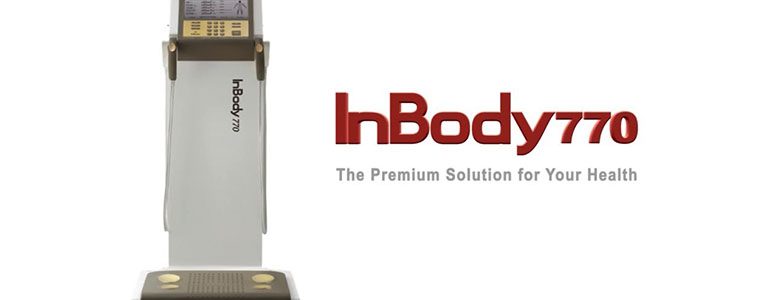
The answer is yes. At Solaris we look at stress from 4 areas of life, physical stress, mental emotional stress, chemical stress and environmental stress. Not enough quality sleep, overwork, anxiousness, eating food or drink late at night and too much phone usage are just a few examples of how some of our everyday lifestyle choices and habits may contribute to these 4 areas of stress. A typical day like this, if it persists over time, can wreak havoc on our bodies, weight loss efforts, performance and productivity and the quality of our relationships. Long gone are the days where the scale dictates our health and that diet and exercise alone are the only levers we have to get healthy. Burn out, hormonal changes (pregnancy, age related man-opause and menopause, cortisol) and stress among many other factors make the diet puzzle more complex and one-hit wonder diet plans obsolete. Studies show that it is not the actual diet but it is the consistency of eating healthy over time that leads to long term sustainable weight loss and maintenance. In this fast paced, high achieving world we live in and the accessibility of the cheap and quick unhealthy choices at our fingertips it can be too easy to fall back into old habits. The InBody 770 or the InBody home models that we use for our remote clients, are just one of the many tools we use to test and map our clients personalized health journey towards optimum health and maintain all the efforts for years to come. It is used by top research facilities and institutions like the Mayo Clinic, Cleveland Clinic, Johns Hopkins and 25 of the top NFL sports teams. The InBody 770 is the only body composition scan that measures inflammation, cellular metabolism, and visceral fat linked to chronic disease — providing the clearest picture of how your body responds to stress, diet, and lifestyle.. The key is knowing how the choices in our daily lives directly affect our bodies ability to function and in real time being able to adapt and see the Have you ever noticed that: Your scale weight can change from 1-3 lbs overnight when you didn’t eat anything that may warrant that kind of change? Or one day your mind is firing at all levels and you’re getting things done at record pace and the next day things are going so slow it feels like you are walking through water? Or you are working out yet falling short of breath when you are running upstairs? Without understanding the root cause of these external symptoms it can feel like you are on a perpetual hamster wheel. At Solaris by using advanced body composition tools and testing (like leaky gut, microbiome dysbiosis, hormones and more) the health and diet puzzle becomes easy to understand and is used to chart out a course of action towards optimal health. Educating our clients to understand what is going on, based on science and data, why it is happening, and how to fix it as we develop their personalized nutrition, supplement and lifestyle plans put them back in the driver’s seat of their health. Charting our clients progress over time and adjusting the plans based on their own lifestyle challenges is the key to not only progressing towards their optimum health potential but also maintaining it for years ahead. I always like to say, everyone knows what to do, but it is the doing it repeatedly over time, in real life, that is the challenge. When you’re ready to stop spinning your wheels or don’t understand the test results you are getting and how to use them to propel you forward reach out to us. We are happy to help!